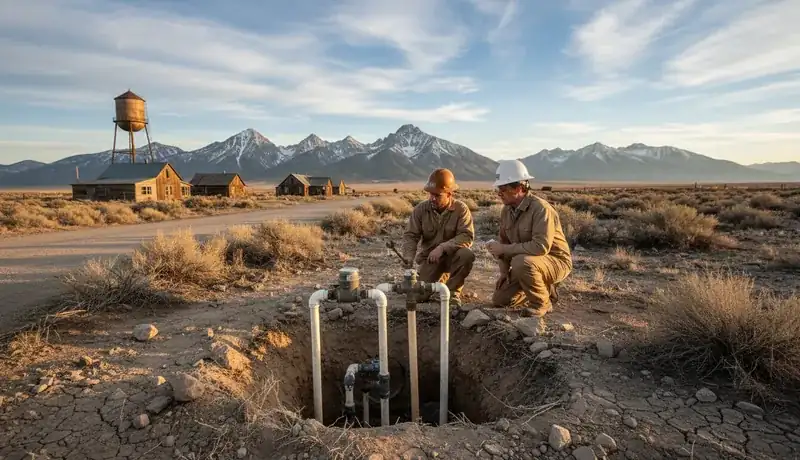

How Well Water and Septic Systems Affect Your Home's Plumbing
Living in beautiful Northwest Colorado means enjoying wide-open spaces and a unique way of life. For many homeowners in the Craig, CO 81625 area, this also means relying on a private well for water and a septic system for waste. These systems are reliable and effective, but they work very differently from city utilities. Understanding how your rural water system interacts with your home’s plumbing is the first step to keeping everything running smoothly and avoiding unexpected problems.
Why does this matter? Because what you don't know about your well or septic tank can lead to slow drains, damaged appliances, and even costly plumbing emergencies. A little knowledge goes a long way in preventing clogs, backups, and premature failure of your pipes and fixtures. Taking care of your rural plumbing system protects your property investment and ensures your home remains a comfortable, healthy place for your family. It’s all about being proactive instead of reactive.
The Unique Challenges of Well Water on Your Pipes
Unlike city water, well water comes directly from the ground, and it often carries minerals like calcium and magnesium. This is what we call “hard water.” Over time, these minerals can build up inside your pipes, faucets, and showerheads, causing a chalky residue. This buildup narrows the pipes, reducing water pressure and leading to clogs. Sediment and iron can also be present, which may stain sinks and toilets and even damage water heaters or washing machines. That’s why you might notice your water flow isn't what it used to be or that your appliances are wearing out faster than expected. These are common issues for homes with private wells, but they can be managed with the right approach.
Keeping Your Septic System Healthy and Happy
Your septic system is a self-contained wastewater treatment plant right in your backyard. It relies on bacteria to break down solid waste. To keep it working correctly, you have to be careful about what goes down your drains. For example, grease, coffee grounds, and harsh chemical cleaners can harm the helpful bacteria or cause clogs in the system. It’s also important to avoid flushing anything other than toilet paper. Regular maintenance is key. Most systems need to be pumped every three to five years to remove solids that the bacteria can't break down. Protecting your septic system is one of the best ways to protect your entire plumbing network from messy and expensive backups.
When a Small Problem Becomes a Big Emergency
It’s crucial to recognize the warning signs of a serious plumbing issue. If you notice multiple drains are slow throughout your house, hear gurgling sounds from your toilets, or smell sewage odors inside or outside, your septic system may be failing or backed up. Another major red flag is seeing unusually green or soggy patches of grass over your drain field. These are not DIY problems. Trying to fix them yourself with store-bought chemicals can often make the situation worse. When you see these signs, it's time to call for professional help immediately. A quick response can prevent wastewater from backing up into your home, which is a situation that requires urgent attention from a team that provides emergency plumbing services in Craig, CO 81625.
Your Local Guide to Rural Plumbing in Craig, CO
Navigating the specifics of rural plumbing can feel overwhelming, but you don't have to do it alone. At Expert Plumbing Pro, we specialize in the unique challenges faced by homeowners in Craig, CO 81625 and the surrounding areas. We understand how hard water affects your pipes and how to properly service a septic system to prevent backups. Our team has the local knowledge and experience to diagnose issues quickly and provide solutions that work for your specific setup. We see ourselves as your partners in maintaining a healthy home, offering everything from routine inspections to fast, reliable emergency repairs when you need them most.
Frequently Asked Questions
How often should I get my well water tested?
It's a good practice to test your well water annually for bacteria and nitrates. You may also want to test it more often if you notice a change in taste, color, or smell. These tests ensure your water is safe to drink and can also identify high mineral content or other issues that could affect your plumbing. A professional can help you understand the results and recommend solutions like water softeners or filtration systems if needed.
What are the biggest signs my septic tank is full?
The most common signs that your septic tank needs pumping are slow drains in sinks and tubs, toilets that flush poorly, and gurgling sounds in your pipes. You might also notice unpleasant odors near the tank or drain field. In more serious cases, you could see wastewater pooling on the ground outside. If you notice any of these symptoms, it’s a clear signal that your tank has reached its capacity and needs professional service right away.
Your Partner in Rural Plumbing Care
Living with a well and septic system is a key part of life in our corner of Colorado. By understanding how they work and watching for warning signs, you can prevent most major plumbing headaches. Remember that mineral buildup from well water and proper septic care are ongoing tasks. For homeowners in Craig, CO 81625, you never have to manage it all by yourself. If you have questions, need routine maintenance, or are facing a sudden problem, the team at Expert Plumbing Pro is here to help.